
Weight progress
Steady, healthy loss
-24 lb
From 240.7 lb to 216.5 lb - 3 months on therapy
STARTMONTH 1MONTH 2TODAY
+ Shipping & handling.
Track what appetite suppression and weight loss may be doing to your metabolism, heart health, hormones, nutrition, muscle, and overall health.
Useful before you start, while you are using GLP therapy, and as you taper off.
How well your body is handling GLP, built from your labs, body composition, and symptom check-ins.
Your body's response to GLP therapy, scored from labs, body comp, and symptoms.
Compares progress between tests
Track fat loss versus lean mass
Track what changes between tests
GLP medications can drop the number on the scale fast, but how much of that loss is fat versus muscle? Our GLP monitoring program tracks both alongside your biomarkers, ensuring a stronger, healthier you.
From 240.7 lb to 216.5 lb - 3 months on therapy
GLP-1 therapy is known for GI side effects, but fatigue, brain fog, constipation, hair shedding, and muscle loss are often downstream signals of lower appetite, lower calories, and lower nutrient availability.
Nausea, diarrhea, vomiting, and constipation were common during treatment, especially around dose escalation.
Hair loss often lags behind under-fueling, protein gaps, iron depletion, vitamin D changes, or metabolic stress.
Frequent bloodwork and body-composition tracking can surface nutrient depletion, excessive weight-loss pace, dehydration pressure, or metabolic imbalance early enough to adjust diet, supplementation, training, or dosing conversations proactively.
Lower appetite can create sustained calorie deficits and under-fueling before you notice it day to day.
Rapid weight loss plus lower protein, iron, B12, folate, or vitamin D intake can stress hair follicles.
Reduced thirst, nausea, and smaller meals can lower fluid and electrolyte intake.
Fast weight loss with insufficient protein or resistance training can reduce lean mass.
The panel is built for people already using, planning to use, or transitioning off GLP-based medication who want better trend visibility.
HbA1c, estimated average glucose, C-peptide, and lipid trends help show whether your metabolism is changing in the right direction.
Track BUN, creatinine, eGFR, liver markers, bilirubin, & inflammation markers, and physical symptoms to flag changes that deserve attention during rapid weight loss.
Weight alone can hide lean-mass loss. The SiPhox app helps you monitor body composition so you can adjust protein, training, and pace.
B12, ferritin, thyroid, and testosterone markers help explain fatigue, brain fog, recovery, libido, and mood during lower food intake.
Everything you need to track, understand, and optimize your health.
Test your biomarkers with comprehensive panels without leaving home.
Seamlessly upload 3rd party tests to track your whole health in 1 dashboard.
Metabolic insight
Relevant Biomarkers
Insulin insight
Relevant Biomarkers
Heart health insight
Relevant Biomarkers
Lipid insight
Relevant Biomarkers
Liver insight
Relevant Biomarkers
Hydration insight
Relevant Biomarkers
Kidney insight
Relevant Biomarkers
Thyroid insight
Relevant Biomarkers
Hormone insight
Relevant Biomarkers
Nutrition insight
Relevant Biomarkers
Metabolic insight
Relevant Biomarkers
Insulin insight
Relevant Biomarkers
Heart health insight
Relevant Biomarkers
Lipid insight
Relevant Biomarkers
Liver insight
Relevant Biomarkers
Hydration insight
Relevant Biomarkers
Kidney insight
Relevant Biomarkers
Thyroid insight
Relevant Biomarkers
Hormone insight
Relevant Biomarkers
Nutrition insight
Relevant Biomarkers
Metabolic insight
Relevant Biomarkers
Insulin insight
Relevant Biomarkers
Heart health insight
Relevant Biomarkers
Lipid insight
Relevant Biomarkers
Liver insight
Relevant Biomarkers
Hydration insight
Relevant Biomarkers
Kidney insight
Relevant Biomarkers
Thyroid insight
Relevant Biomarkers
Hormone insight
Relevant Biomarkers
Nutrition insight
Relevant Biomarkers
Metabolic insight
Relevant Biomarkers
Insulin insight
Relevant Biomarkers
Heart health insight
Relevant Biomarkers
Lipid insight
Relevant Biomarkers
Liver insight
Relevant Biomarkers
Hydration insight
Relevant Biomarkers
Kidney insight
Relevant Biomarkers
Thyroid insight
Relevant Biomarkers
Hormone insight
Relevant Biomarkers
Nutrition insight
Relevant Biomarkers
Metabolic insight
Relevant Biomarkers
Insulin insight
Relevant Biomarkers
Heart health insight
Relevant Biomarkers
Lipid insight
Relevant Biomarkers
Liver insight
Relevant Biomarkers
Hydration insight
Relevant Biomarkers
Kidney insight
Relevant Biomarkers
Thyroid insight
Relevant Biomarkers
Hormone insight
Relevant Biomarkers
Nutrition insight
Relevant Biomarkers
See what your markers suggest about tolerance, progress, and rebound risk.
Chat with Sai, about your results, health and longevity.
Catch nutritional deficiencies early.
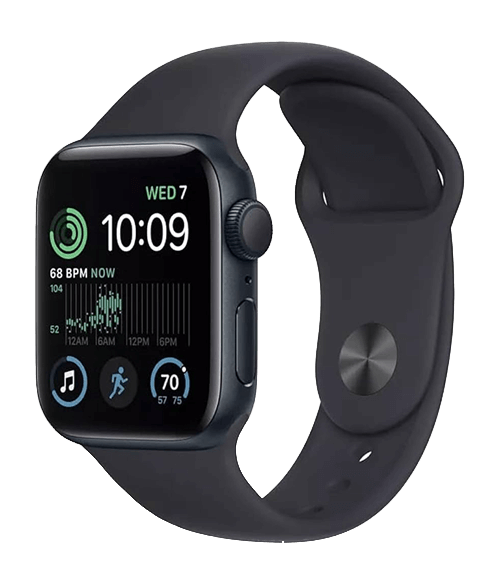

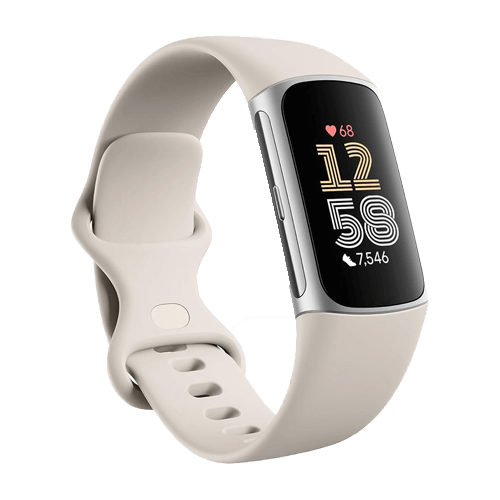
Connect your wearables to track sleep, activity & glucose.
Ensure you are losing weight in a healthy way by connecting fat loss, lean mass, symptoms, and biomarkers in one GLP monitoring loop.
Capture your weight, body composition, labs, hydration, and nutrition before you compare trends.
See whether weight loss is coming from fat, not muscle, while symptoms and biomarkers stay on track.
Track fat loss and lean-mass preservation alongside your biomarker trends.
Track fat loss and muscle preservation beside your biomarker trends.
The panel focuses on the markers and explanations that matter most when appetite, weight, hydration, and body composition are changing. Start with key markers, then explore the full panel by category.
Shows your average blood sugar over the past three months. GLP-based therapies often improve this dramatically, so tracking it lets you see one of the clearest wins from treatment.
Shows how much insulin your body is producing. Useful context when appetite, blood sugar control, and metabolic demand are changing.
Counts the particles most tied to atherosclerotic risk, giving a sharper signal than LDL alone.
Tracks low-grade inflammation, a useful signal when metabolic risk and body composition are changing.
A liver enzyme that can improve as fatty-liver stress decreases during weight loss.
Helps show whether you may be dehydrated, especially during dose increases when nausea and reduced fluid intake can creep up.
An essential nutrient that can drop when you eat less meat, fish, dairy, and eggs. Low B12 can cause fatigue and brain fog.
Your iron storage. Especially important for women because low iron can quickly lead to fatigue and lower exercise capacity.
Tracks muscle versus fat instead of only total weight. The goal on therapy is to lose fat while keeping muscle.
Join over 50,000 individuals who have taken control of their health through data-driven insights and actions.

Colin's Story
SiPhox caught what no one saw

Chanda's Story
A dangerous heart risk came to light

Ben's Story
Testing uncovered type 1 diabetes

Jonathan's Story
A shockingly high bioage revealed the truth

Our servers meet or exceed all applicable data protection and privacy requirements. Your sensitive information is safeguarded by state-of-the-art security measures.

We have a strict no-sell policy for your personal information. Your data remains yours, period.

Delete your personal information from our servers at any time. We respect your right to data ownership and provide easy-to-use tools for data management.

Dr. Tsogbayar leverages her clinical expertise to develop innovative health solutions and evidence-based coaching. Dr. Tsogbayar previously practiced as a physician with a comprehensive training background, developing specialized expertise in cardiology and emergency medicine after gaining experience in primary care, allergy & immunology, internal medicine, and general surgery.
She earned her medical degree from Imperial College London, where she also completed her MSc in Human Molecular Genetics after obtaining a BSc in Biochemistry from Queen Mary University of London. Her academic research includes significant work in developmental cardiovascular genetics, with her thesis publication contributing to the understanding of genetic modifications on embryonic cardiovascular development.

Director of Clinical Product Operations at SiPhox Health with a background in medicine and a passion for health optimization. Experienced in leading software and clinical development teams, contributing to patents, launching health-related products, and turning diagnostics into actionable tools.

Dr. Natasha Milinkovic is part of the clinical product team at SiPhox Health, having graduated from the University of Bristol Medical School. Her medical career includes rotations across medical and surgical specialties, with specialized research in vascular surgery, focusing on recovery and post-operative pain outcomes. Dr. Milinkovic built her expertise in emergency medicine as a clinical fellow at a major trauma center before practicing at a central London teaching hospital throughout the pandemic.
She has contributed to global health initiatives, implementing surgical safety standards and protocols across rural Uganda. Dr. Milinkovic initially joined SiPhox Health to spearhead the health coaching initiative and has been a key contributor in the development and launch of the Heart and Metabolic program. She is passionate about addressing health disparities by building scalable healthcare solutions.

Paul D. Thompson is Chief of Cardiology Emeritus of Hartford Hospital and Professor Emeritus at University of Connecticut Medical School. He has authored over 500 scientific articles on cardiovascular risk factors, the effects of exercise, and beyond. He received National Institutes of Health’s (NIH) Preventive Cardiology Academic Award, and has received NIH funding for multiple studies.
Dr. Thompson’s interests in exercise, general cardiology and sports cardiology originated from his own distance running: he qualified for the 1972 Olympic Marathon Trials as a 3rd year medical student and finished 16th in the 1976 Boston Marathon. Dr. Thompson publishes a blog 500 Rules of Cardiology where he shares lessons and anecdotes that he has learned over his extensive career as a physician, researcher and teacher.

Physician/medical school professor (UCLA and USC) and New York Times bestselling author empowering people to take back their metabolic health with lifestyle and other tools. A veteran of the Today Show, USA Today, and a regular contributor to FOX and other network news stations, his weekly video podcast reaches over 500,000 people. After reversing chronic disease and transforming his own life he is making it his mission to help others do the same.
His latest book, ‘Lies I Taught In Medical School’ is an instant New York Times bestseller and has re-framed how we think about metabolic health and longevity. In addition to being a practicing physician, he is author of over 200 peer reviewed scientific papers and 14 books that are available in fourteen languages.

Benjamin Bikman earned his Ph.D. in Bioenergetics and was a postdoctoral fellow with the Duke-National University of Singapore in metabolic disorders. Currently, his professional focus as a scientist and professor (Brigham Young University) is to better understand the role of elevated insulin and nutrient metabolism in regulating obesity, diabetes, and dementia.
In addition to his academic pursuits, Dr. Bikman is the author of Why We Get Sick and How Not To Get Sick.
Dr. Tsogbayar leverages her clinical expertise to develop innovative health solutions and evidence-based coaching. Dr. Tsogbayar previously practiced as a physician with a comprehensive training background, developing specialized expertise in cardiology and emergency medicine after gaining experience in primary care, allergy & immunology, internal medicine, and general surgery.
She earned her medical degree from Imperial College London, where she also completed her MSc in Human Molecular Genetics after obtaining a BSc in Biochemistry from Queen Mary University of London. Her academic research includes significant work in developmental cardiovascular genetics, with her thesis publication contributing to the understanding of genetic modifications on embryonic cardiovascular development.
Director of Clinical Product Operations at SiPhox Health with a background in medicine and a passion for health optimization. Experienced in leading software and clinical development teams, contributing to patents, launching health-related products, and turning diagnostics into actionable tools.
Dr. Natasha Milinkovic is part of the clinical product team at SiPhox Health, having graduated from the University of Bristol Medical School. Her medical career includes rotations across medical and surgical specialties, with specialized research in vascular surgery, focusing on recovery and post-operative pain outcomes. Dr. Milinkovic built her expertise in emergency medicine as a clinical fellow at a major trauma center before practicing at a central London teaching hospital throughout the pandemic.
She has contributed to global health initiatives, implementing surgical safety standards and protocols across rural Uganda. Dr. Milinkovic initially joined SiPhox Health to spearhead the health coaching initiative and has been a key contributor in the development and launch of the Heart and Metabolic program. She is passionate about addressing health disparities by building scalable healthcare solutions.
Paul D. Thompson is Chief of Cardiology Emeritus of Hartford Hospital and Professor Emeritus at University of Connecticut Medical School. He has authored over 500 scientific articles on cardiovascular risk factors, the effects of exercise, and beyond. He received National Institutes of Health’s (NIH) Preventive Cardiology Academic Award, and has received NIH funding for multiple studies.
Dr. Thompson’s interests in exercise, general cardiology and sports cardiology originated from his own distance running: he qualified for the 1972 Olympic Marathon Trials as a 3rd year medical student and finished 16th in the 1976 Boston Marathon. Dr. Thompson publishes a blog 500 Rules of Cardiology where he shares lessons and anecdotes that he has learned over his extensive career as a physician, researcher and teacher.
Physician/medical school professor (UCLA and USC) and New York Times bestselling author empowering people to take back their metabolic health with lifestyle and other tools. A veteran of the Today Show, USA Today, and a regular contributor to FOX and other network news stations, his weekly video podcast reaches over 500,000 people. After reversing chronic disease and transforming his own life he is making it his mission to help others do the same.
His latest book, ‘Lies I Taught In Medical School’ is an instant New York Times bestseller and has re-framed how we think about metabolic health and longevity. In addition to being a practicing physician, he is author of over 200 peer reviewed scientific papers and 14 books that are available in fourteen languages.
Benjamin Bikman earned his Ph.D. in Bioenergetics and was a postdoctoral fellow with the Duke-National University of Singapore in metabolic disorders. Currently, his professional focus as a scientist and professor (Brigham Young University) is to better understand the role of elevated insulin and nutrient metabolism in regulating obesity, diabetes, and dementia.
In addition to his academic pursuits, Dr. Bikman is the author of Why We Get Sick and How Not To Get Sick.
Dr. Tsogbayar leverages her clinical expertise to develop innovative health solutions and evidence-based coaching. Dr. Tsogbayar previously practiced as a physician with a comprehensive training background, developing specialized expertise in cardiology and emergency medicine after gaining experience in primary care, allergy & immunology, internal medicine, and general surgery.
She earned her medical degree from Imperial College London, where she also completed her MSc in Human Molecular Genetics after obtaining a BSc in Biochemistry from Queen Mary University of London. Her academic research includes significant work in developmental cardiovascular genetics, with her thesis publication contributing to the understanding of genetic modifications on embryonic cardiovascular development.
Director of Clinical Product Operations at SiPhox Health with a background in medicine and a passion for health optimization. Experienced in leading software and clinical development teams, contributing to patents, launching health-related products, and turning diagnostics into actionable tools.
Dr. Natasha Milinkovic is part of the clinical product team at SiPhox Health, having graduated from the University of Bristol Medical School. Her medical career includes rotations across medical and surgical specialties, with specialized research in vascular surgery, focusing on recovery and post-operative pain outcomes. Dr. Milinkovic built her expertise in emergency medicine as a clinical fellow at a major trauma center before practicing at a central London teaching hospital throughout the pandemic.
She has contributed to global health initiatives, implementing surgical safety standards and protocols across rural Uganda. Dr. Milinkovic initially joined SiPhox Health to spearhead the health coaching initiative and has been a key contributor in the development and launch of the Heart and Metabolic program. She is passionate about addressing health disparities by building scalable healthcare solutions.
Paul D. Thompson is Chief of Cardiology Emeritus of Hartford Hospital and Professor Emeritus at University of Connecticut Medical School. He has authored over 500 scientific articles on cardiovascular risk factors, the effects of exercise, and beyond. He received National Institutes of Health’s (NIH) Preventive Cardiology Academic Award, and has received NIH funding for multiple studies.
Dr. Thompson’s interests in exercise, general cardiology and sports cardiology originated from his own distance running: he qualified for the 1972 Olympic Marathon Trials as a 3rd year medical student and finished 16th in the 1976 Boston Marathon. Dr. Thompson publishes a blog 500 Rules of Cardiology where he shares lessons and anecdotes that he has learned over his extensive career as a physician, researcher and teacher.
Physician/medical school professor (UCLA and USC) and New York Times bestselling author empowering people to take back their metabolic health with lifestyle and other tools. A veteran of the Today Show, USA Today, and a regular contributor to FOX and other network news stations, his weekly video podcast reaches over 500,000 people. After reversing chronic disease and transforming his own life he is making it his mission to help others do the same.
His latest book, ‘Lies I Taught In Medical School’ is an instant New York Times bestseller and has re-framed how we think about metabolic health and longevity. In addition to being a practicing physician, he is author of over 200 peer reviewed scientific papers and 14 books that are available in fourteen languages.
Benjamin Bikman earned his Ph.D. in Bioenergetics and was a postdoctoral fellow with the Duke-National University of Singapore in metabolic disorders. Currently, his professional focus as a scientist and professor (Brigham Young University) is to better understand the role of elevated insulin and nutrient metabolism in regulating obesity, diabetes, and dementia.
In addition to his academic pursuits, Dr. Bikman is the author of Why We Get Sick and How Not To Get Sick.
Dr. Tsogbayar leverages her clinical expertise to develop innovative health solutions and evidence-based coaching. Dr. Tsogbayar previously practiced as a physician with a comprehensive training background, developing specialized expertise in cardiology and emergency medicine after gaining experience in primary care, allergy & immunology, internal medicine, and general surgery.
She earned her medical degree from Imperial College London, where she also completed her MSc in Human Molecular Genetics after obtaining a BSc in Biochemistry from Queen Mary University of London. Her academic research includes significant work in developmental cardiovascular genetics, with her thesis publication contributing to the understanding of genetic modifications on embryonic cardiovascular development.
Director of Clinical Product Operations at SiPhox Health with a background in medicine and a passion for health optimization. Experienced in leading software and clinical development teams, contributing to patents, launching health-related products, and turning diagnostics into actionable tools.
Dr. Natasha Milinkovic is part of the clinical product team at SiPhox Health, having graduated from the University of Bristol Medical School. Her medical career includes rotations across medical and surgical specialties, with specialized research in vascular surgery, focusing on recovery and post-operative pain outcomes. Dr. Milinkovic built her expertise in emergency medicine as a clinical fellow at a major trauma center before practicing at a central London teaching hospital throughout the pandemic.
She has contributed to global health initiatives, implementing surgical safety standards and protocols across rural Uganda. Dr. Milinkovic initially joined SiPhox Health to spearhead the health coaching initiative and has been a key contributor in the development and launch of the Heart and Metabolic program. She is passionate about addressing health disparities by building scalable healthcare solutions.
Paul D. Thompson is Chief of Cardiology Emeritus of Hartford Hospital and Professor Emeritus at University of Connecticut Medical School. He has authored over 500 scientific articles on cardiovascular risk factors, the effects of exercise, and beyond. He received National Institutes of Health’s (NIH) Preventive Cardiology Academic Award, and has received NIH funding for multiple studies.
Dr. Thompson’s interests in exercise, general cardiology and sports cardiology originated from his own distance running: he qualified for the 1972 Olympic Marathon Trials as a 3rd year medical student and finished 16th in the 1976 Boston Marathon. Dr. Thompson publishes a blog 500 Rules of Cardiology where he shares lessons and anecdotes that he has learned over his extensive career as a physician, researcher and teacher.
Physician/medical school professor (UCLA and USC) and New York Times bestselling author empowering people to take back their metabolic health with lifestyle and other tools. A veteran of the Today Show, USA Today, and a regular contributor to FOX and other network news stations, his weekly video podcast reaches over 500,000 people. After reversing chronic disease and transforming his own life he is making it his mission to help others do the same.
His latest book, ‘Lies I Taught In Medical School’ is an instant New York Times bestseller and has re-framed how we think about metabolic health and longevity. In addition to being a practicing physician, he is author of over 200 peer reviewed scientific papers and 14 books that are available in fourteen languages.
Benjamin Bikman earned his Ph.D. in Bioenergetics and was a postdoctoral fellow with the Duke-National University of Singapore in metabolic disorders. Currently, his professional focus as a scientist and professor (Brigham Young University) is to better understand the role of elevated insulin and nutrient metabolism in regulating obesity, diabetes, and dementia.
In addition to his academic pursuits, Dr. Bikman is the author of Why We Get Sick and How Not To Get Sick.
Dr. Tsogbayar leverages her clinical expertise to develop innovative health solutions and evidence-based coaching. Dr. Tsogbayar previously practiced as a physician with a comprehensive training background, developing specialized expertise in cardiology and emergency medicine after gaining experience in primary care, allergy & immunology, internal medicine, and general surgery.
She earned her medical degree from Imperial College London, where she also completed her MSc in Human Molecular Genetics after obtaining a BSc in Biochemistry from Queen Mary University of London. Her academic research includes significant work in developmental cardiovascular genetics, with her thesis publication contributing to the understanding of genetic modifications on embryonic cardiovascular development.
Director of Clinical Product Operations at SiPhox Health with a background in medicine and a passion for health optimization. Experienced in leading software and clinical development teams, contributing to patents, launching health-related products, and turning diagnostics into actionable tools.
Dr. Natasha Milinkovic is part of the clinical product team at SiPhox Health, having graduated from the University of Bristol Medical School. Her medical career includes rotations across medical and surgical specialties, with specialized research in vascular surgery, focusing on recovery and post-operative pain outcomes. Dr. Milinkovic built her expertise in emergency medicine as a clinical fellow at a major trauma center before practicing at a central London teaching hospital throughout the pandemic.
She has contributed to global health initiatives, implementing surgical safety standards and protocols across rural Uganda. Dr. Milinkovic initially joined SiPhox Health to spearhead the health coaching initiative and has been a key contributor in the development and launch of the Heart and Metabolic program. She is passionate about addressing health disparities by building scalable healthcare solutions.
Paul D. Thompson is Chief of Cardiology Emeritus of Hartford Hospital and Professor Emeritus at University of Connecticut Medical School. He has authored over 500 scientific articles on cardiovascular risk factors, the effects of exercise, and beyond. He received National Institutes of Health’s (NIH) Preventive Cardiology Academic Award, and has received NIH funding for multiple studies.
Dr. Thompson’s interests in exercise, general cardiology and sports cardiology originated from his own distance running: he qualified for the 1972 Olympic Marathon Trials as a 3rd year medical student and finished 16th in the 1976 Boston Marathon. Dr. Thompson publishes a blog 500 Rules of Cardiology where he shares lessons and anecdotes that he has learned over his extensive career as a physician, researcher and teacher.
Physician/medical school professor (UCLA and USC) and New York Times bestselling author empowering people to take back their metabolic health with lifestyle and other tools. A veteran of the Today Show, USA Today, and a regular contributor to FOX and other network news stations, his weekly video podcast reaches over 500,000 people. After reversing chronic disease and transforming his own life he is making it his mission to help others do the same.
His latest book, ‘Lies I Taught In Medical School’ is an instant New York Times bestseller and has re-framed how we think about metabolic health and longevity. In addition to being a practicing physician, he is author of over 200 peer reviewed scientific papers and 14 books that are available in fourteen languages.
Benjamin Bikman earned his Ph.D. in Bioenergetics and was a postdoctoral fellow with the Duke-National University of Singapore in metabolic disorders. Currently, his professional focus as a scientist and professor (Brigham Young University) is to better understand the role of elevated insulin and nutrient metabolism in regulating obesity, diabetes, and dementia.
In addition to his academic pursuits, Dr. Bikman is the author of Why We Get Sick and How Not To Get Sick.